Every Product Here Started as Somebody's Problem
People ask where the product ideas come from, expecting a strategy answer. The real answer is the kitchen table. My kids, my wife, my friends, the businesses around us in North Idaho — somebody near me has a problem, says it out loud, and I can't leave it alone.
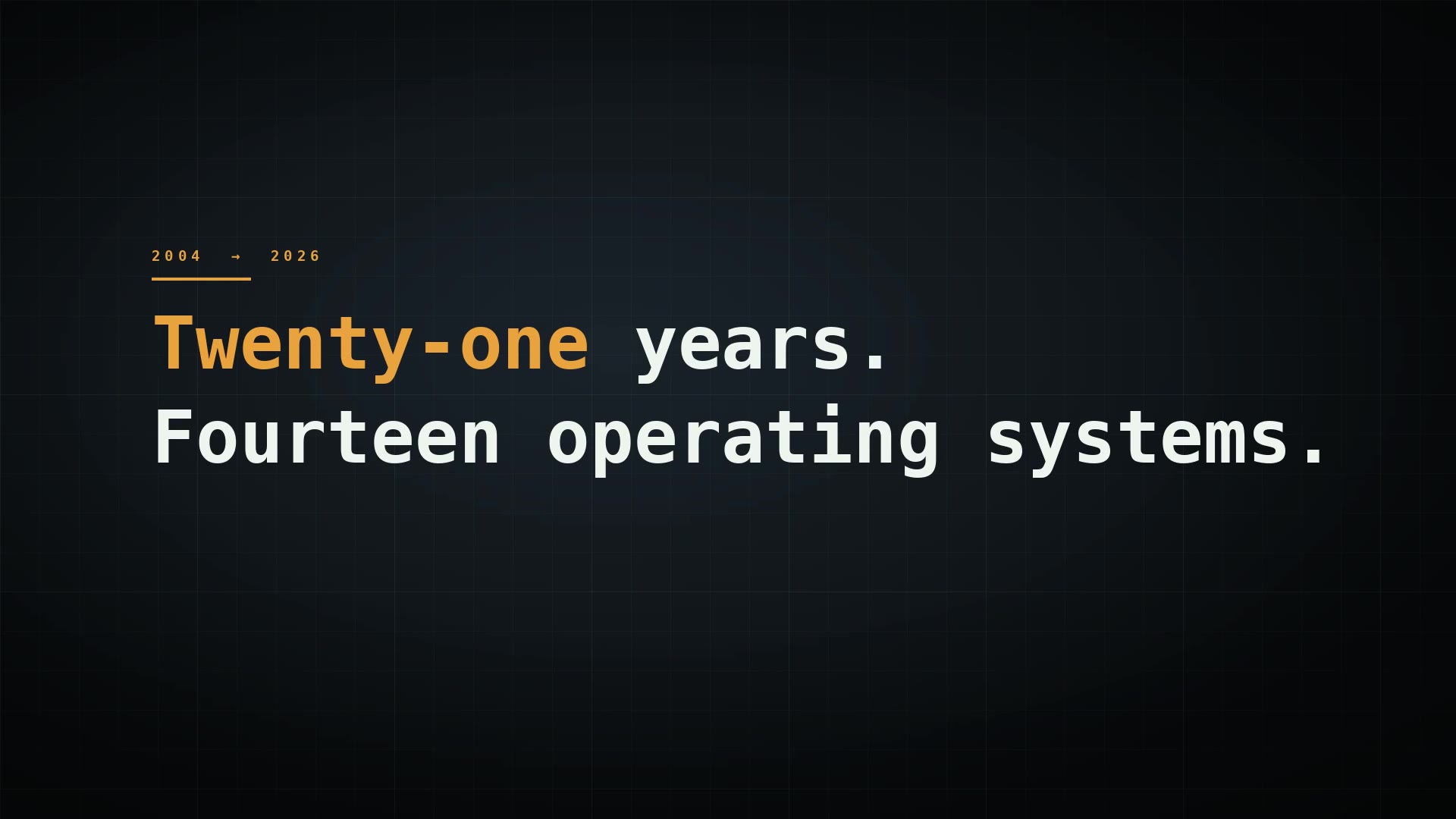
Then the twenty-one years kick in. Before anything gets built for the shelf, I research it the way I used to research markets for newspapers and national accounts: who actually has this problem, how many of them there are, what they pay today, and whether anybody's serving them honestly. The market gets a vote before the product exists.
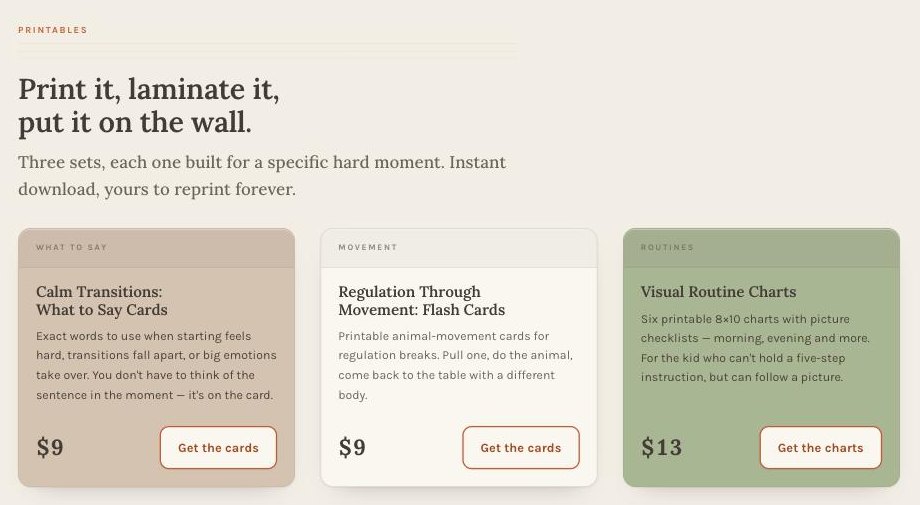
That's the fork, and I love both sides of it. A "no" doesn't kill the idea — it just means the audience is one person I love instead of a market segment. Some of the warmest software in this family never made it to a shelf and never needed to. And a "yes" almost never stays one product. That's the rabbit hole: solve the problem properly and fourteen neighboring problems introduce themselves. One guitar tutor became a family of five instruments. One journal became a whole shelf of them. One kids' game became a learning line. A good rabbit hole usually shakes out fifteen or twenty products before it lets me go — which is a big part of how the store filled up this fast.
What I won't write about here is how the shop itself works — the machinery behind the pace. Every builder keeps one door closed, and that's mine. What I'll happily show you instead is everything that comes out of it: it's all live in the store, priced in plain sight, and you can walk in and judge the work yourself.